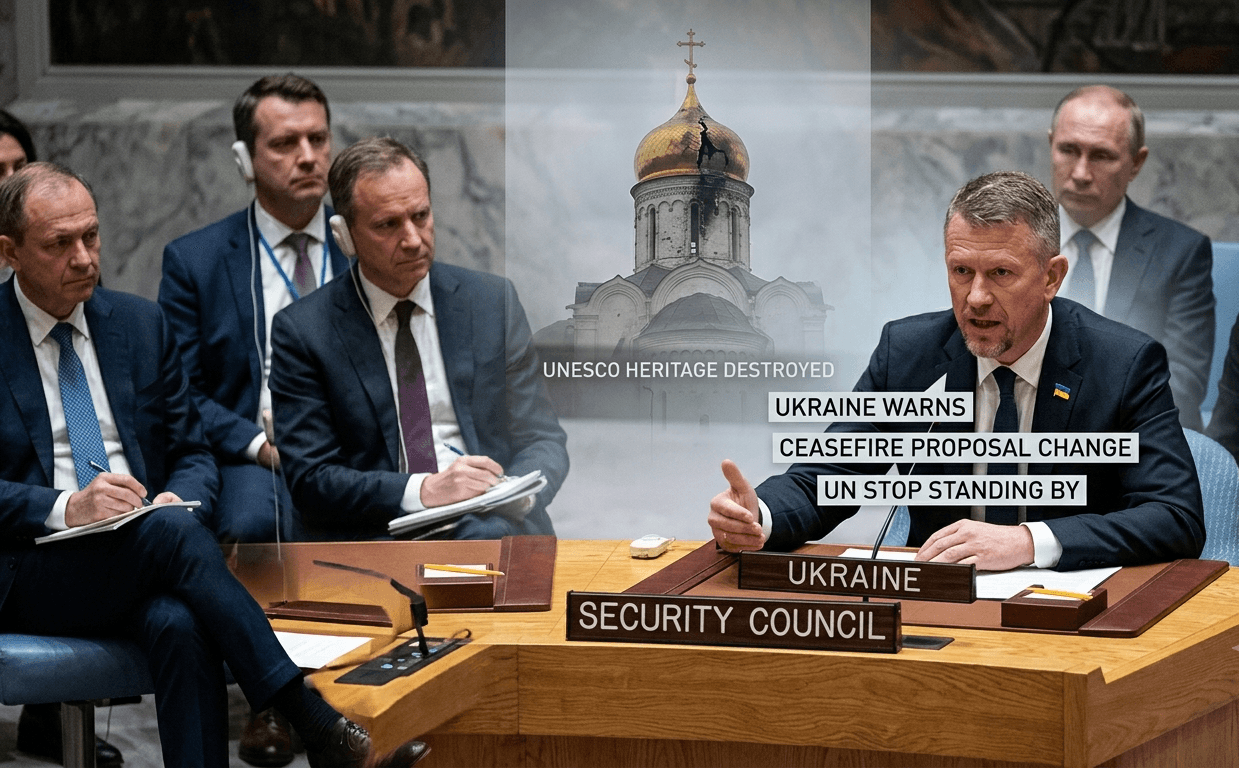

The war between Russia and Ukraine has reached a critical flashpoint on the international stage. During an emergency meeting of the United Nations Security Council (UNSC) on Monday, June 22, 2026, Ukrainian Ambassador Andriy Melnyk warned that the Kyiv government could modify and alter the conditions of its ceasefire proposal if the United Nations continues its habit of "standing by and watching the destruction."
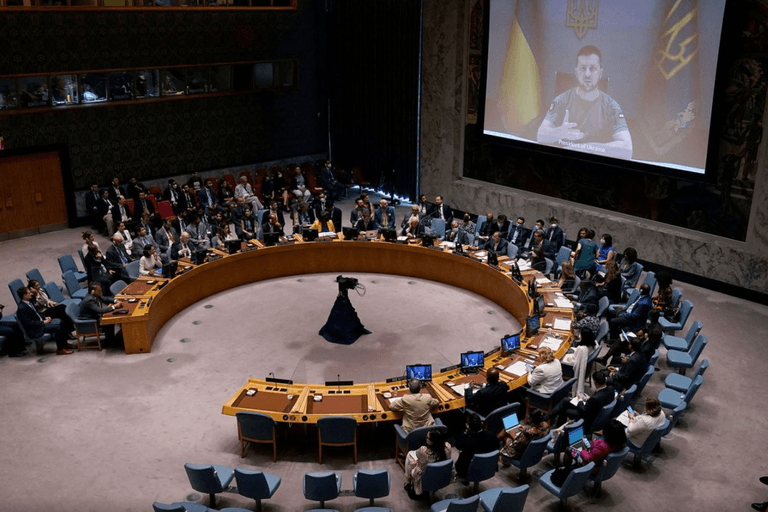
Emergency meeting of the United Nations Security Council (UNSC)
During the session, Melnyk launched a fierce verbal assault against the Russian representative, bluntly warning that Moscow's capture and control of Ukrainian territory is merely temporary. He advised Russia to withdraw its troops and flee Ukraine as quickly as possible before it is too late.
"The stone that Russia threw is now flying back to strike Russia's own head." — Andriy Melnyk, Ukrainian Ambassador to the UN
Destruction of Heritage and Ukraine's Outrage
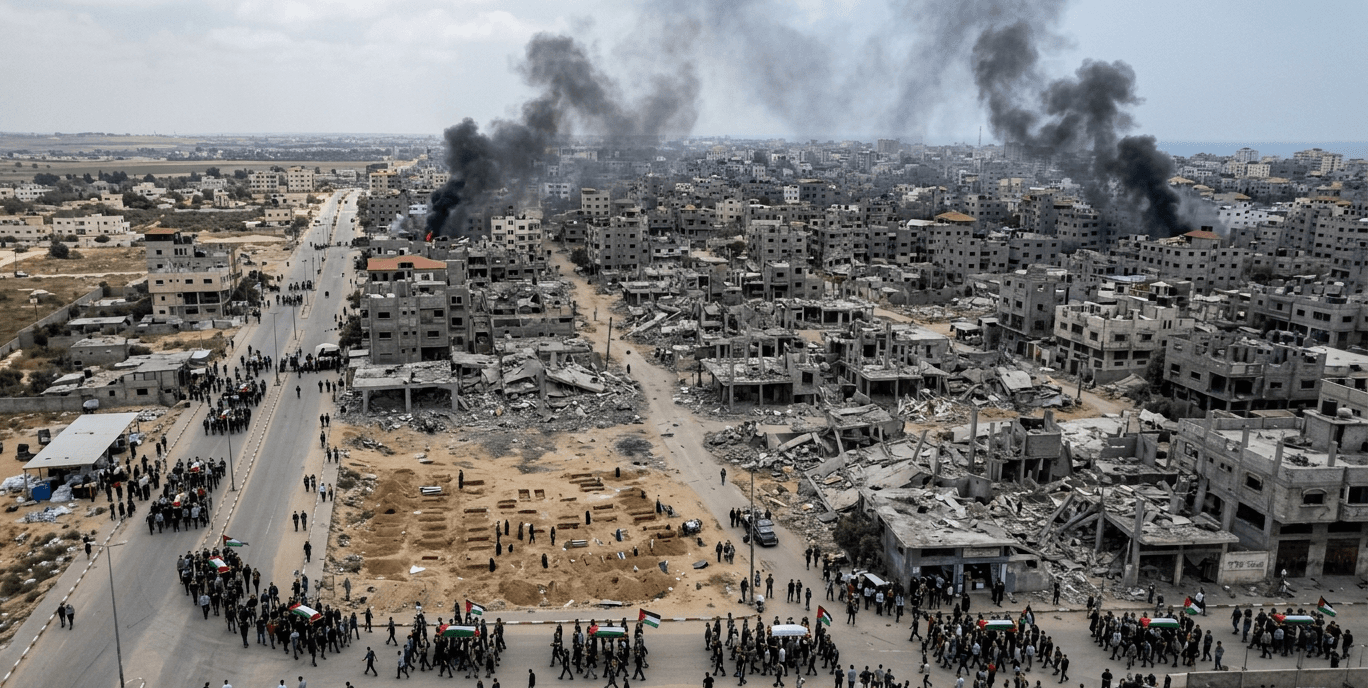
The passionate statement by the Ukrainian representative comes in the wake of one of Russia's largest aerial assaults, occurring overnight from June 14 into June 15. The attack utilized 70 missiles and over 600 drones, raining down on various Ukrainian cities, particularly Kyiv.
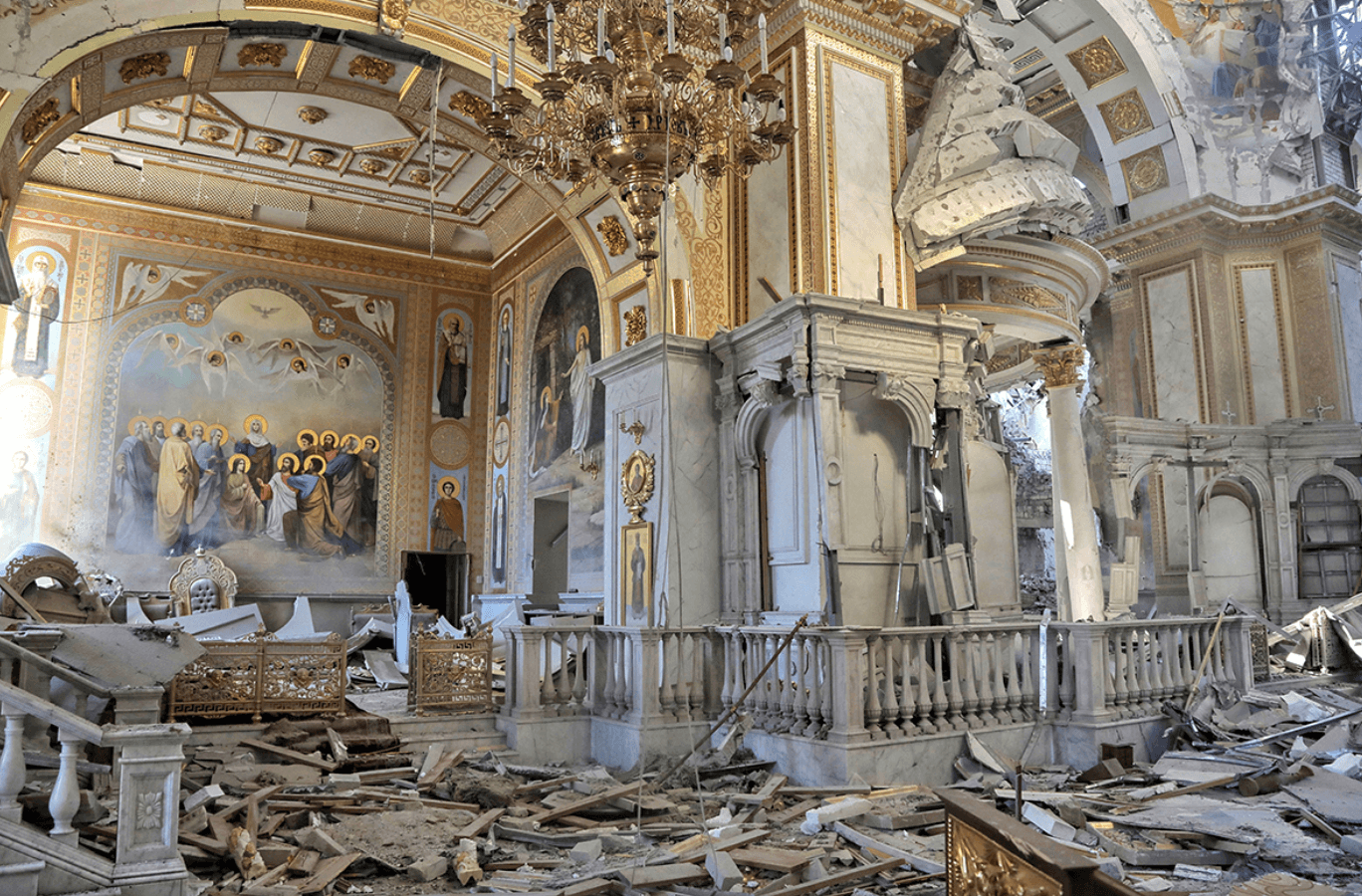
The 11th-century Orthodox cathedral, a designated UNESCO World Heritage site has been destroyed
The strikes resulted in:
- Numerous civilian casualties, including children and pregnant women.
- The destruction of an 11th-century Orthodox cathedral, a designated UNESCO World Heritage site.
- The burning to ashes of the historic Dovzhenko Film Studios, often referred to as Ukraine's "Hollywood."
These actions led the UN to place Russia on its "list of shame" for war crimes and grave violations against children, grouping it alongside terrorist organizations like ISIS and Al-Qaeda.
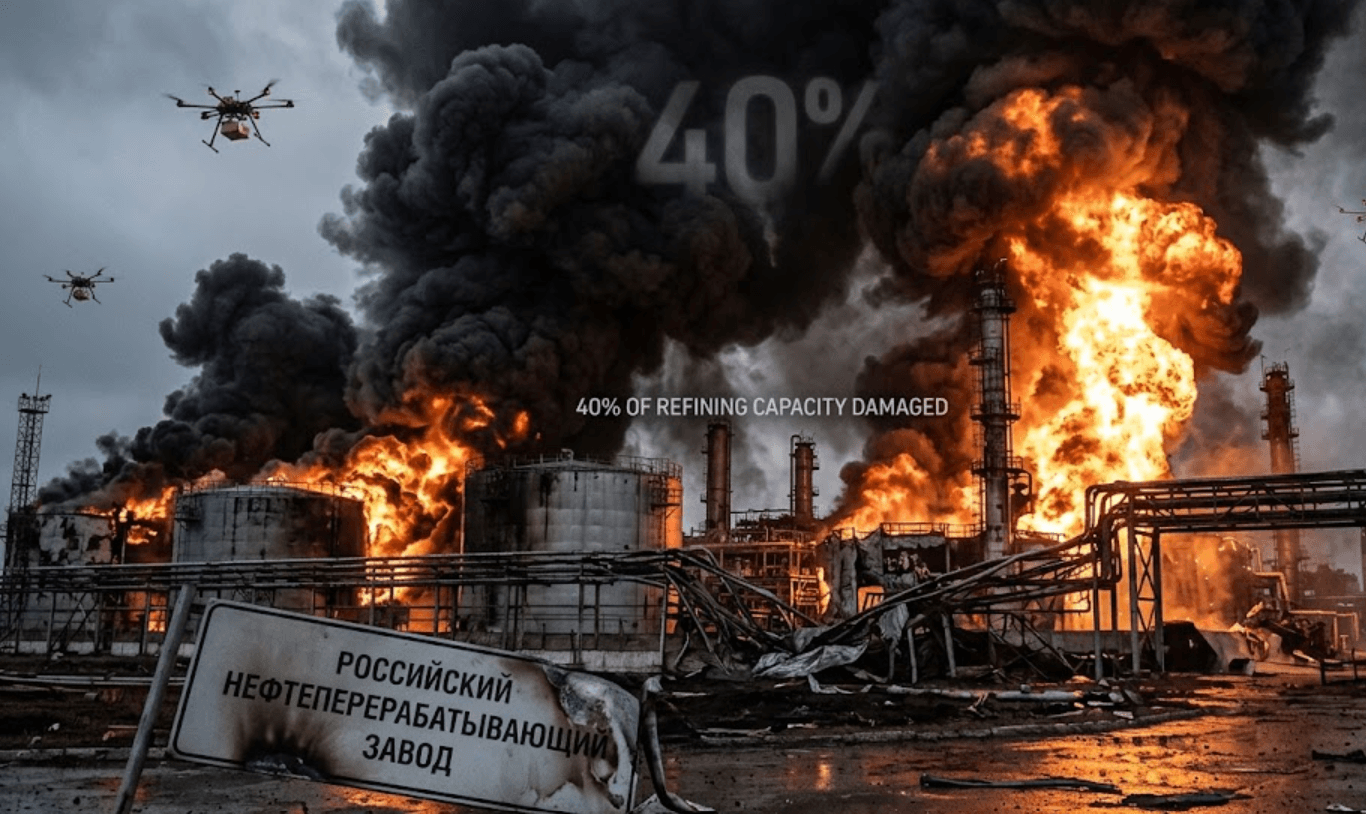
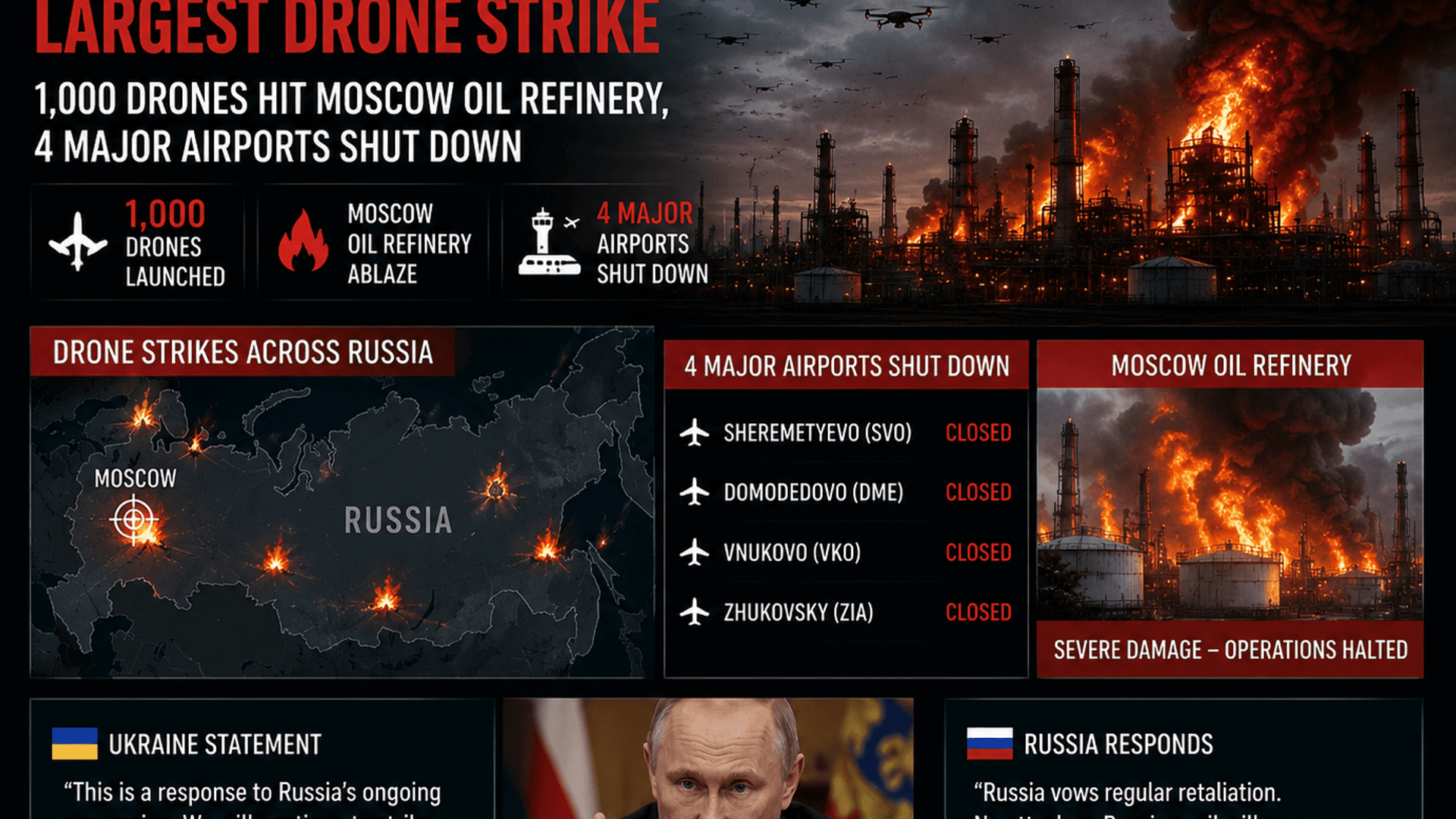
Nearly 40% of Russia's oil refining capacity has been targeted by Ukraine to cut off fuel supplies to the Russian military
Legitimate Counter-Strikes on Russian Economic and Military Targets
Meanwhile, the Ukrainian representative defended his military's retaliatory strikes against Russian oil refineries. Melnyk explained that these refineries are not standard civilian infrastructure but are legitimate military targets under international law, as they produce the fuel that powers Russian tanks, fighter jets, and missile-carrying naval vessels.
Currently, nearly 40 percent of Russia's oil refineries have been disrupted or destroyed. Even Moscow's air defense systems have struggled to repel Ukraine's retaliatory drone strikes, forcing the Russian public to experience the grim realities and shadow of the war firsthand. Melnyk concluded with a stark warning that this is just the beginning.