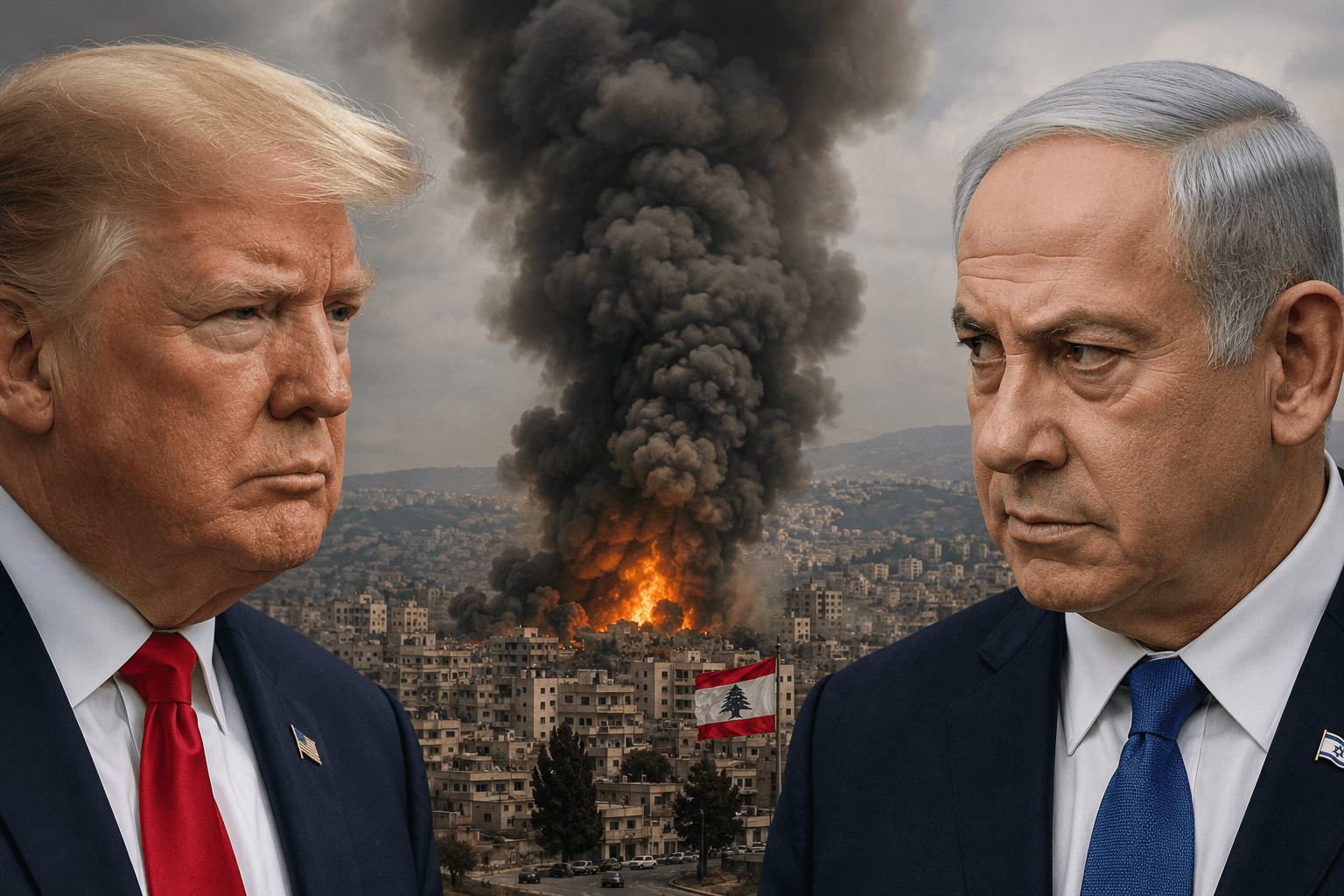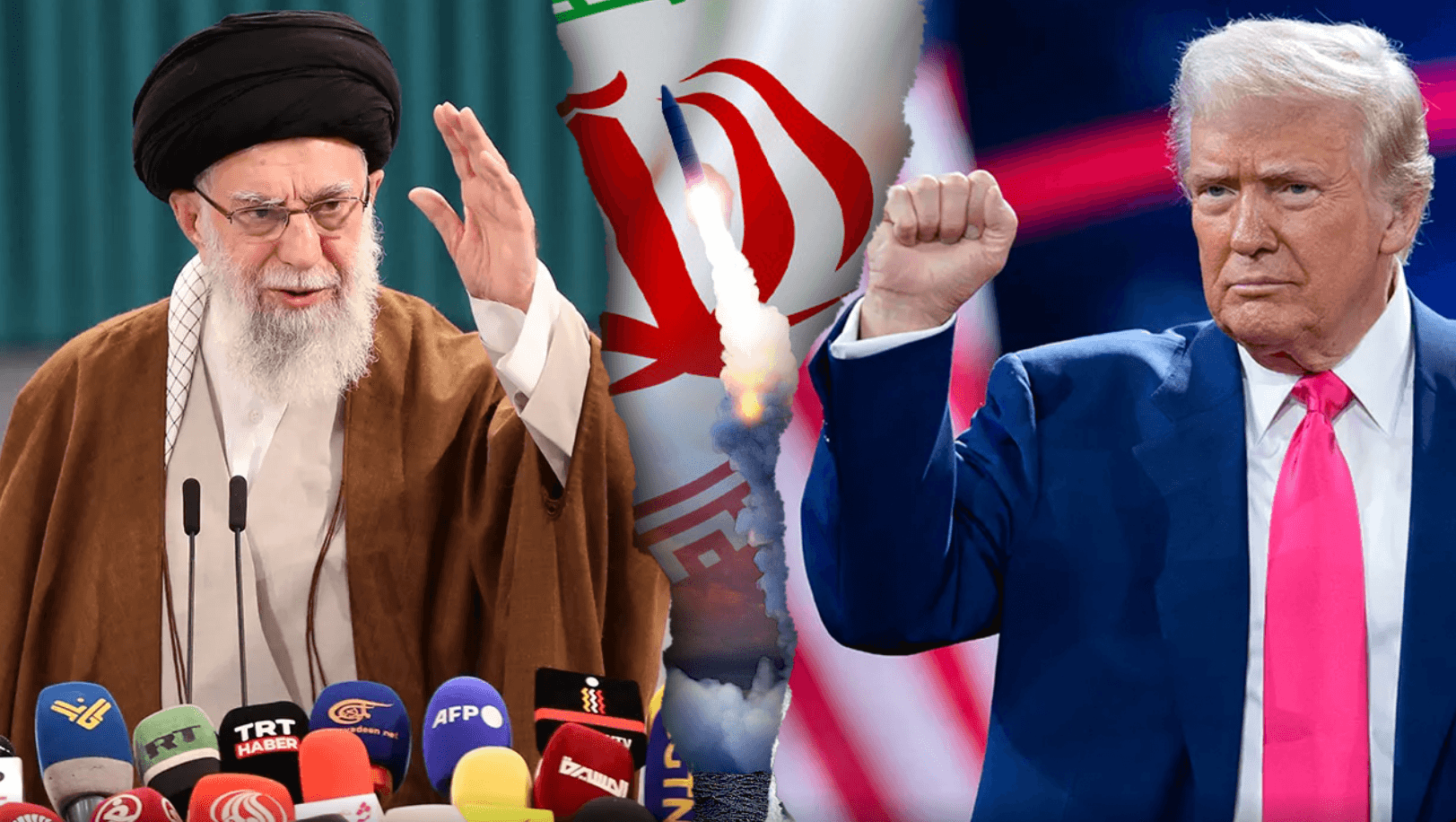

The first round of US-Iran peace talks, held in Switzerland, ended with favorable results and progress, despite some tension along the way. The Iranian delegation had previously walked out of the talks, frustrated and angry at President Donald Trump for threatening to strike Iran again if Tehran failed to reach an agreement.
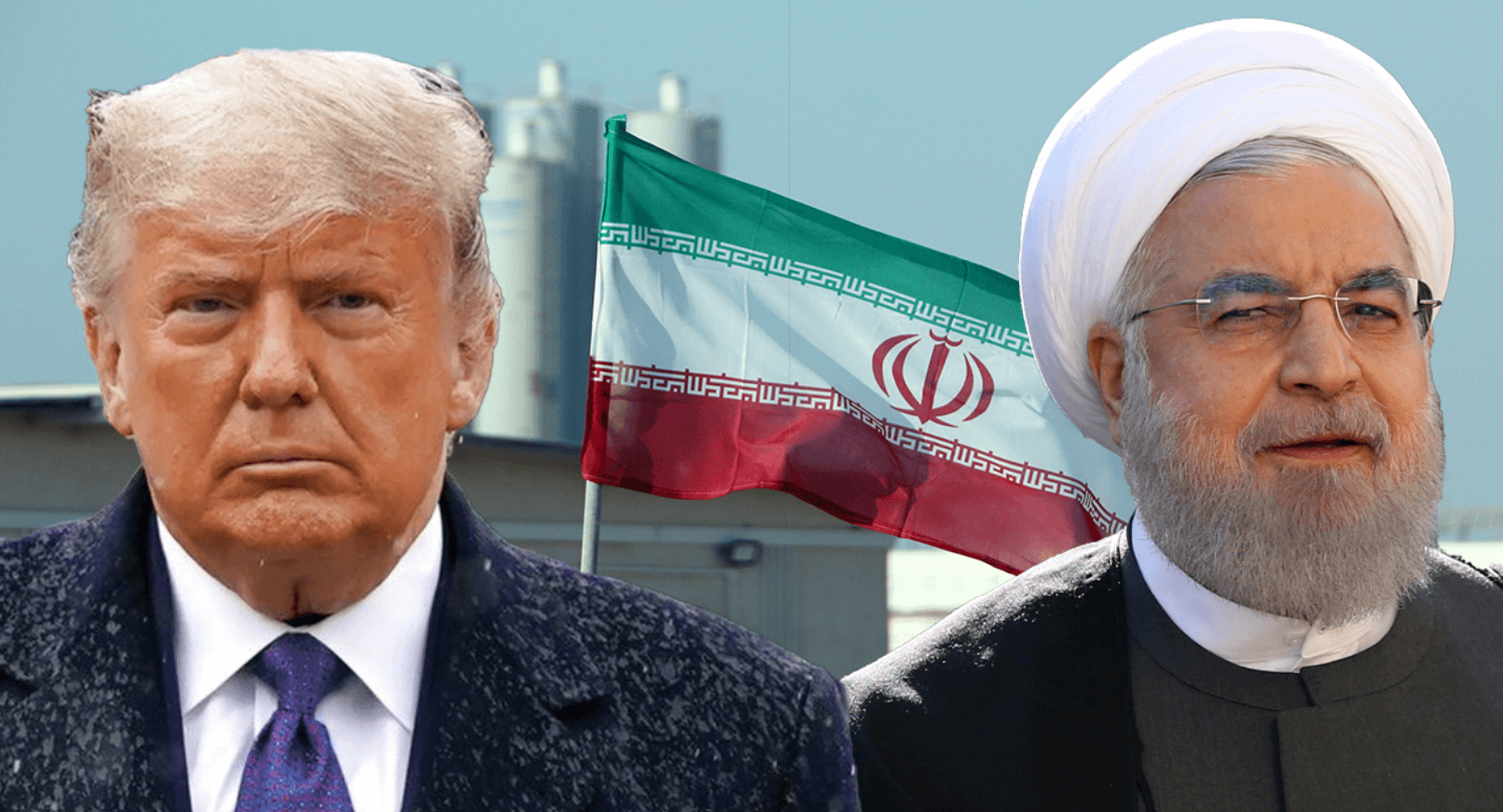
The first round of US-Iran peace talks
This is nothing new — Trump has used this kind of threat against Iran many times before, but Iran does not appear to be intimidated by the pressure. This raises the question: what is Trump's real objective behind these repeated threats?
Joey Hood, a former senior US diplomat who served as Ambassador to Tunisia (quoted by Al Jazeera on Monday, June 22, 2026), believes the threats are an attempt to preserve negotiating leverage after the Memorandum of Understanding (MoU) left the US with diminished power in some respects. Hood views the MoU as lacking clear grounding — for instance, neither the Lebanese government nor the Israeli government were included in the negotiations, yet both are now being called upon to implement a ceasefire between Hezbollah and the Israeli military. This effectively grants Iran veto power over Lebanon — something Iran does not deserve, given that it has been a source of instability there for years. This represents significant pressure being placed on Iran.
Meanwhile, according to an article from the Doha Institute, based in Qatar, Trump consistently believes in negotiating from a position of strength. Threats of military strikes or warnings to destroy Iran are used as psychological warfare tools, intended to frighten the other side, push them into a weakened position, and force them to accept his demands. He believes that maximum pressure produces the best possible deal.
.png&w=3840&q=75)